Designing financial products people can trust
Financial products are different from almost every other category of software.
When people use a music app or a social platform, small usability issues are often forgiven. In financial products, the same issues immediately become questions of trust. Users aren't simply completing tasks—they're managing their savings, making payments, monitoring transactions, and making decisions that involve real money. Every interaction carries more weight because every action has consequences.
Good FinTech design is rarely about making an interface look modern. It's about making every decision feel clear and predictable. Users should never hesitate before sending a payment, wonder whether a transaction was completed successfully, or spend time searching for critical information. Confidence comes from clarity, not decoration.
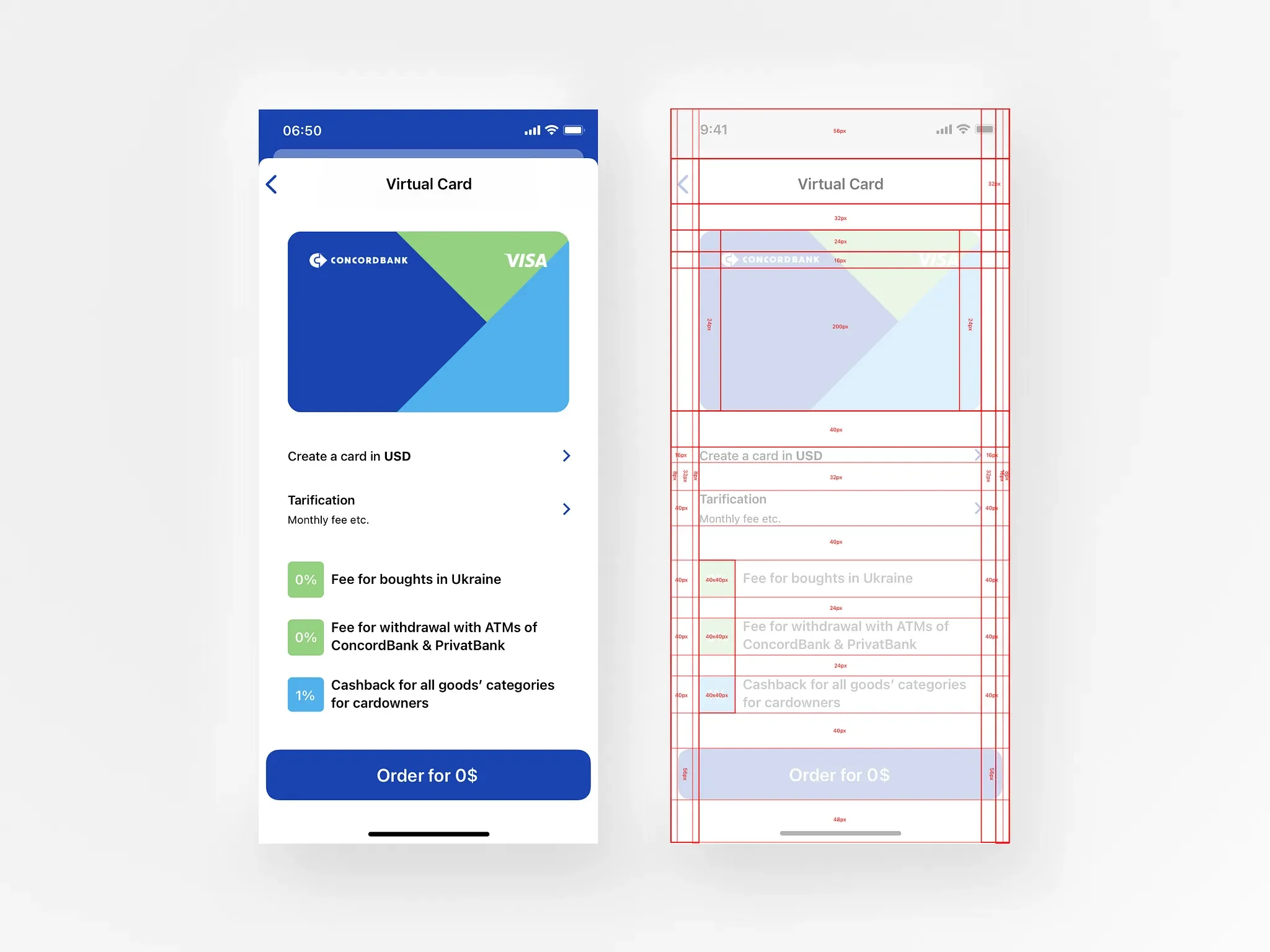
One of the biggest challenges in financial products is balancing simplicity with functionality. As products grow, new capabilities are constantly introduced—cards, transfers, savings, investments, analytics, rewards, subscriptions, and security settings. Each addition makes sense on its own, but together they can quickly overwhelm users if the product lacks a clear information hierarchy.
This is why we focus on reducing cognitive load before introducing visual refinement. Navigation should make important actions obvious. Financial data should be organized by priority rather than by technical implementation. Every screen should answer the user's most important question before asking them to make another decision. Small improvements in hierarchy often have a greater impact than entirely new features.
Designing financial software also means thinking beyond individual screens. Every interaction is connected to a larger system. A payment confirmation influences trust just as much as a dashboard. A transaction history affects usability just as much as onboarding. Success depends on how consistently the entire experience works together, not on how polished a single screen looks in isolation.
As products evolve, consistency becomes one of the most valuable design assets. Reusable patterns, predictable interactions, and scalable design systems make it easier for users to build confidence while helping product teams introduce new functionality without increasing complexity. A financial platform should feel familiar, regardless of how many services it eventually offers.
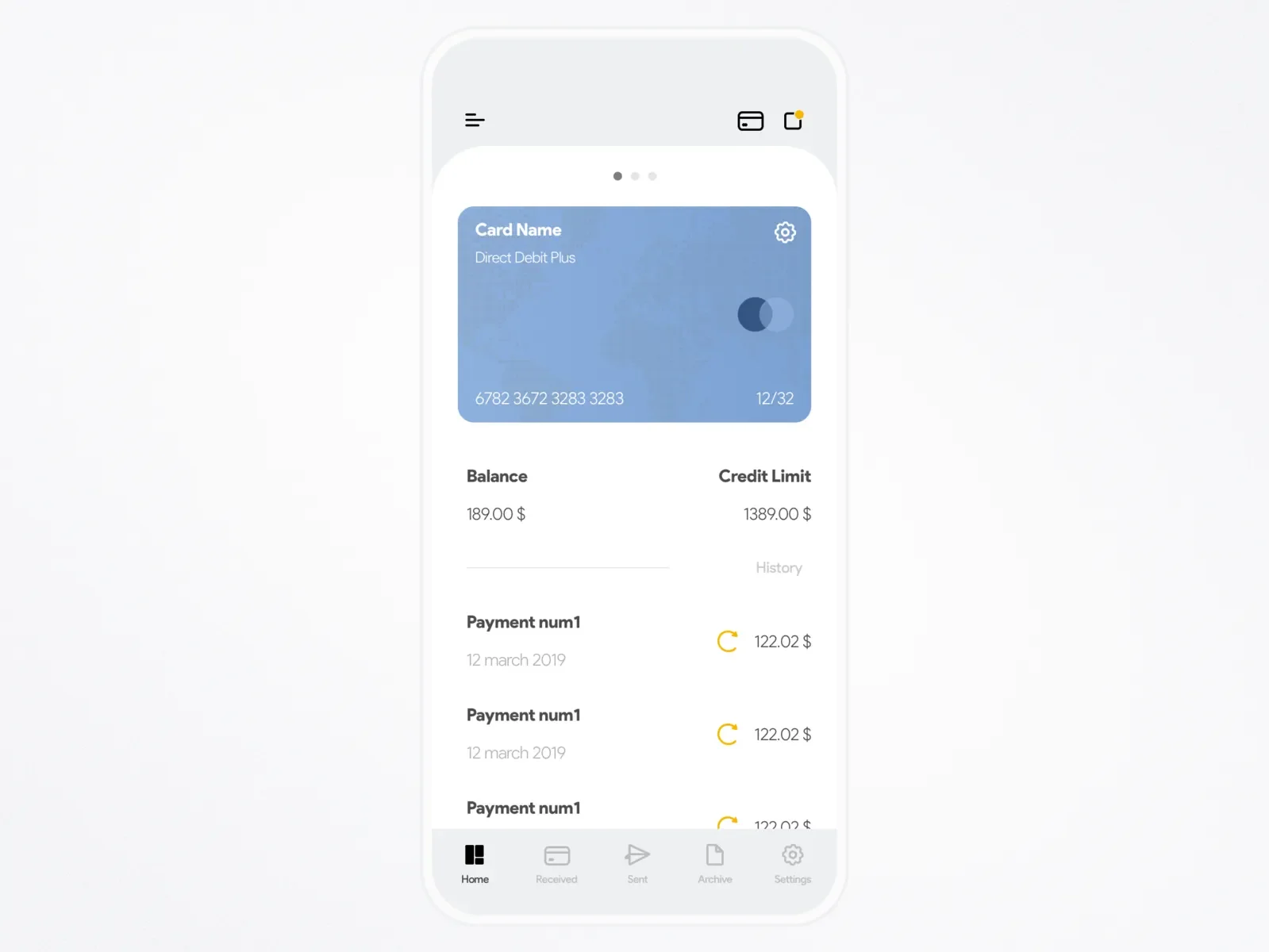
The future of financial products will continue to introduce new technologies, from embedded finance to AI-assisted experiences. While the tools will change, user expectations will remain remarkably consistent. People will always expect financial software to be understandable, reliable, and trustworthy.
Great FinTech products don't earn trust through branding alone. They earn it through thousands of small design decisions that remove uncertainty, communicate clearly, and help users feel confident every time they open the app.
