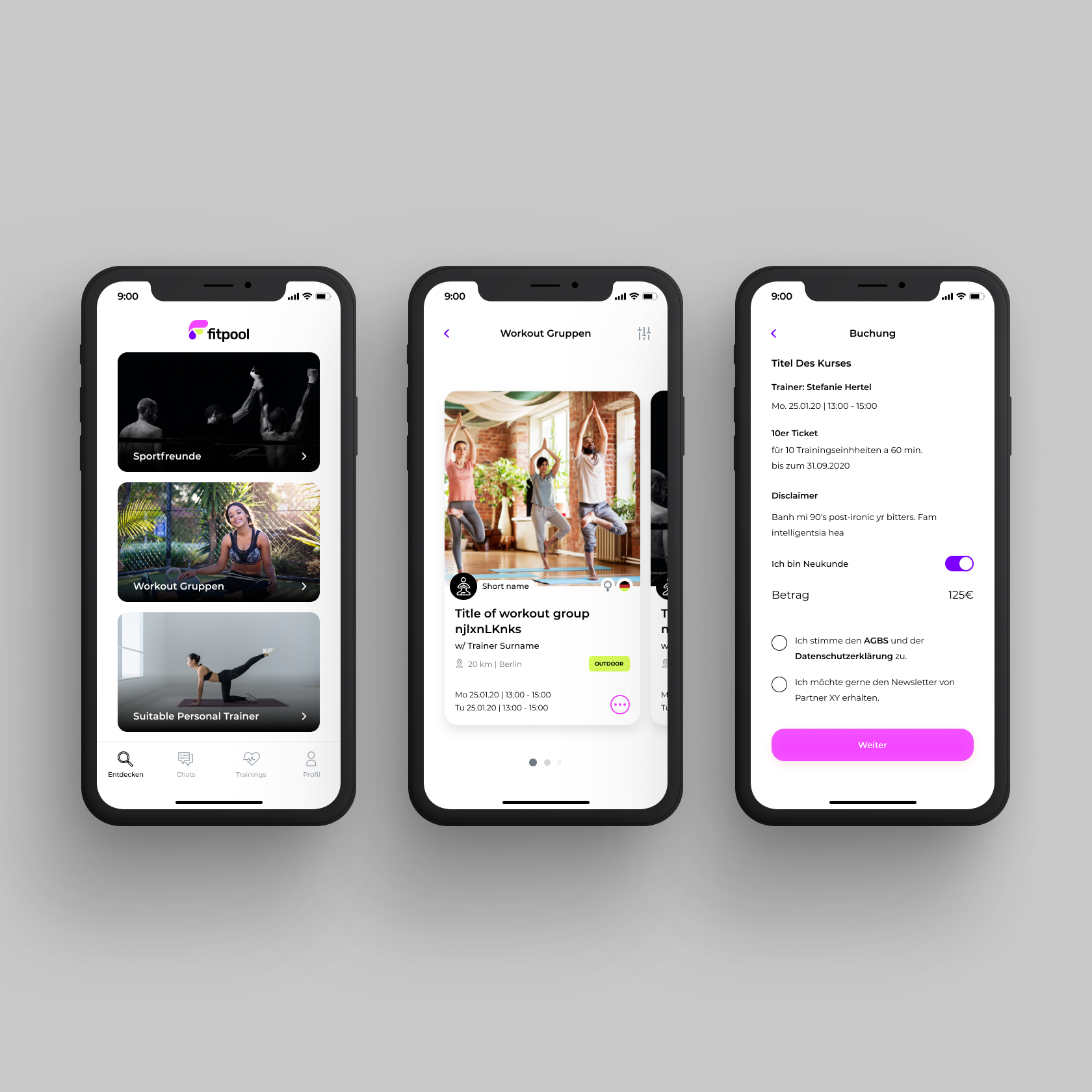
Why the best marketplaces feel effortless
Every successful marketplace solves the same problem.
It helps two different groups of people trust each other.
Whether users are booking accommodation, hiring professionals, discovering local services, or buying products from independent sellers, the technology itself is rarely the hardest part. The real challenge is creating an experience where both sides feel confident enough to take action.
Scalability is equally important. Successful marketplaces rarely stay the same. New categories, new services, new business models, and new user types are constantly introduced. Products that aren't designed with growth in mind often become increasingly difficult to maintain for both users and internal teams.
A marketplace is never designed for one user. Every decision affects at least two audiences, each with different goals, expectations, and incentives. The product has to balance discovery with conversion, transparency with simplicity, and flexibility with consistency—all while keeping the experience intuitive.
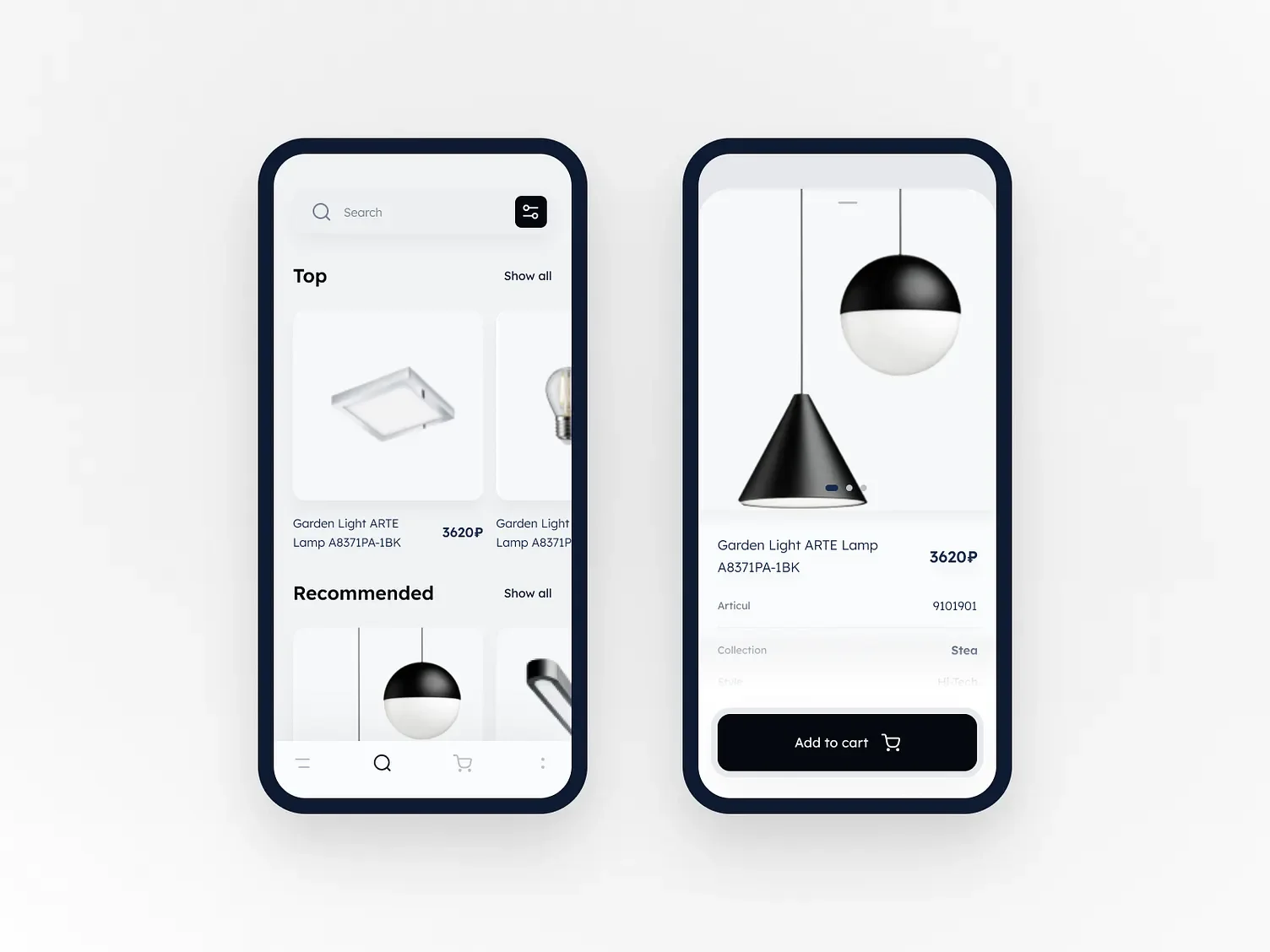
Many marketplace products become more complicated as they grow. New filters are added, seller tools expand, booking flows evolve, payment options increase, and recommendation systems become more sophisticated. While each improvement brings value, the overall experience often becomes harder to navigate.
Good marketplace design isn't about exposing every feature. It's about helping users reach a confident decision with as little friction as possible.
That starts with information hierarchy. Users need to understand what matters first, compare available options without feeling overwhelmed, and move naturally from discovery to action. Every unnecessary decision slows down the experience. Every confusing interaction reduces confidence.
Trust also plays a central role. Before users make a purchase, book a service, or contact a provider, they need enough information to feel comfortable moving forward. Reviews, ratings, pricing, availability, imagery, and profile details all contribute to that decision. The interface should organize this information in a way that feels effortless instead of demanding.
Designing marketplaces also requires thinking beyond individual screens. Search, listing pages, profiles, messaging, checkout, and account management are all parts of a single ecosystem. If one step introduces unnecessary complexity, the entire journey becomes less effective.