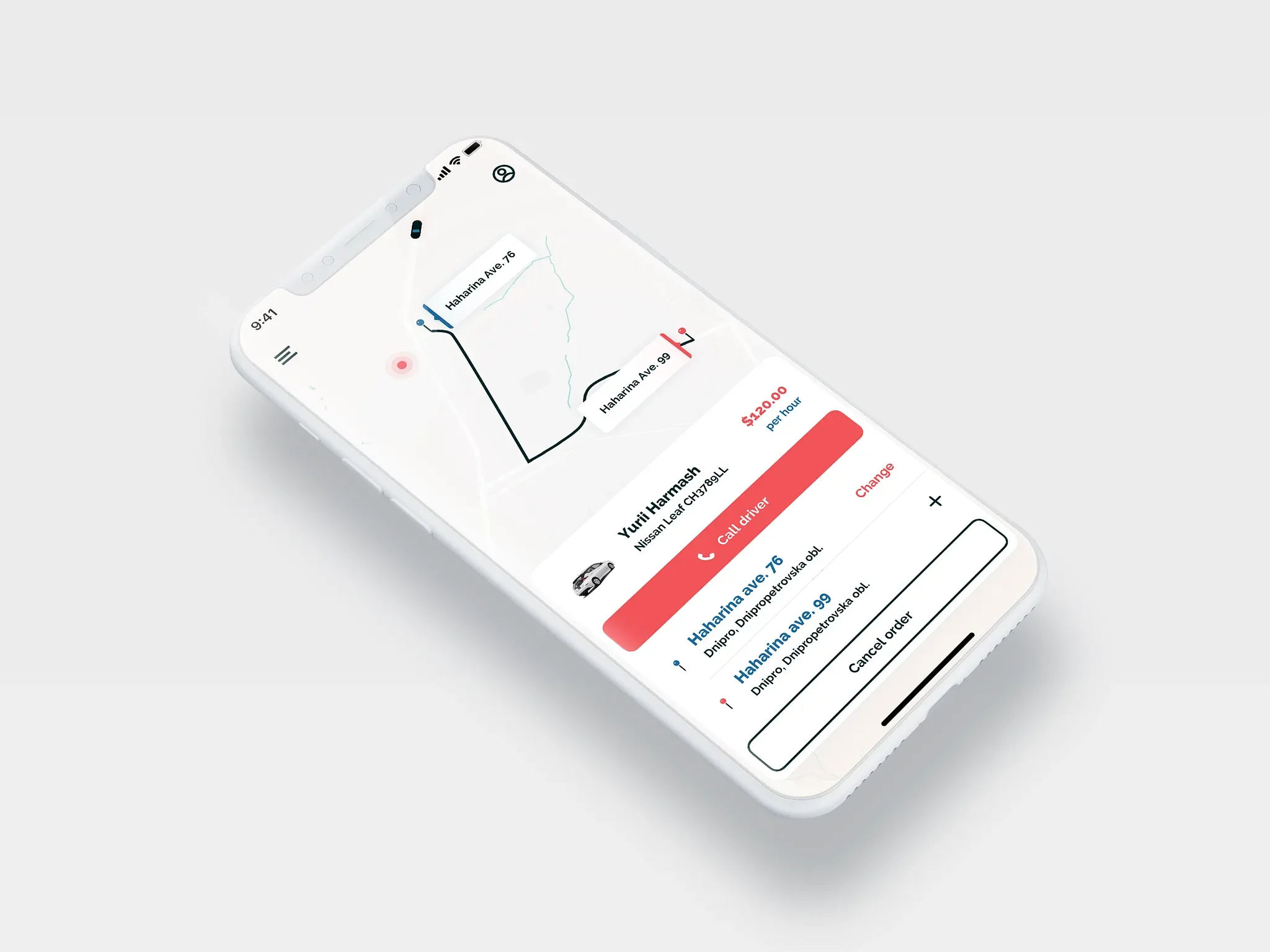
Designing map-based products that feel natural
Maps are one of the most powerful interfaces in digital products.
They help people discover places, navigate unfamiliar environments, book nearby services, explore events, and make decisions based on location. But while maps make complex information visible, they also introduce a new kind of complexity. Every marker, filter, route, and interaction competes for the user's attention.
Designing a successful map-based product isn't about fitting as much information as possible onto a map. It's about helping users understand where they are, what matters around them, and what to do next.
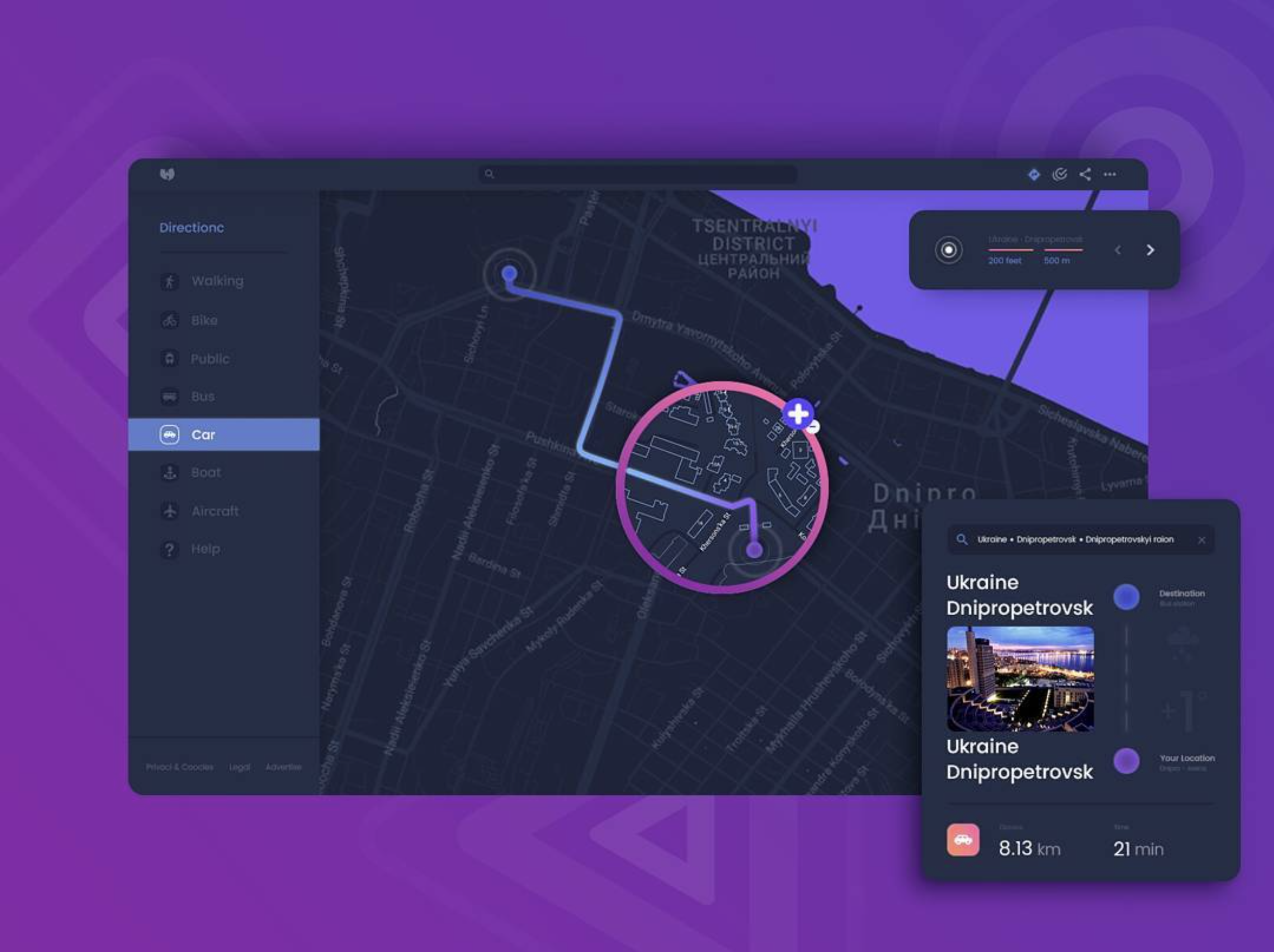
One of the biggest challenges in location-based products is balancing exploration with clarity. Users want the freedom to browse, but they also expect immediate answers. Too many visible markers create visual noise. Too few make the product feel empty. Finding the right balance requires thoughtful prioritization rather than simply displaying every available result.
Maps should never become the interface—they should support it.
The most successful location-based experiences combine maps with strong information hierarchy. Search, filters, lists, categories, and contextual details work together to help users make confident decisions. The map provides context, while the surrounding interface explains why a location matters.
Performance also plays a critical role. Unlike traditional interfaces, map-based products are constantly changing. Users zoom, pan, search, filter, and switch between locations within seconds. Every interaction should feel immediate. Delays, unexpected jumps, or inconsistent loading quickly break the sense of control.
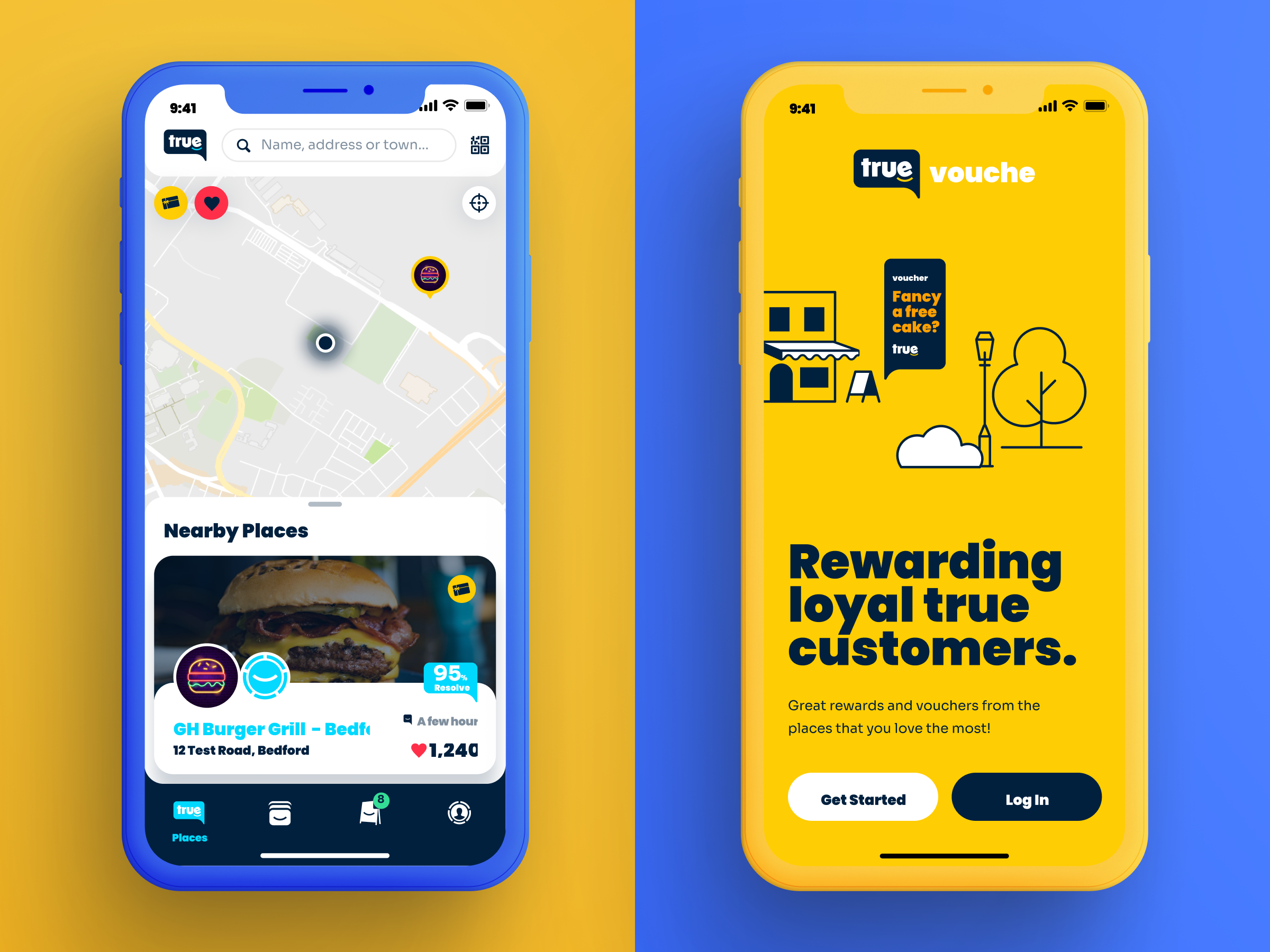
Designing for mobile introduces another layer of complexity. The map competes for limited screen space, making layout decisions especially important. Product teams must carefully balance exploration with detailed information, ensuring users can access listings, directions, reviews, or booking options without losing their place.
This is why progressive disclosure becomes essential. Instead of presenting every piece of information at once, the interface gradually reveals details as users move closer to making a decision. Discovery remains lightweight, while deeper information becomes available only when it's relevant.
Scalability is equally important. As products grow, maps often evolve beyond simple location discovery. They begin supporting recommendations, saved places, live availability, personalized results, and real-time updates. Without a flexible design system, these additions quickly turn the experience into visual clutter.
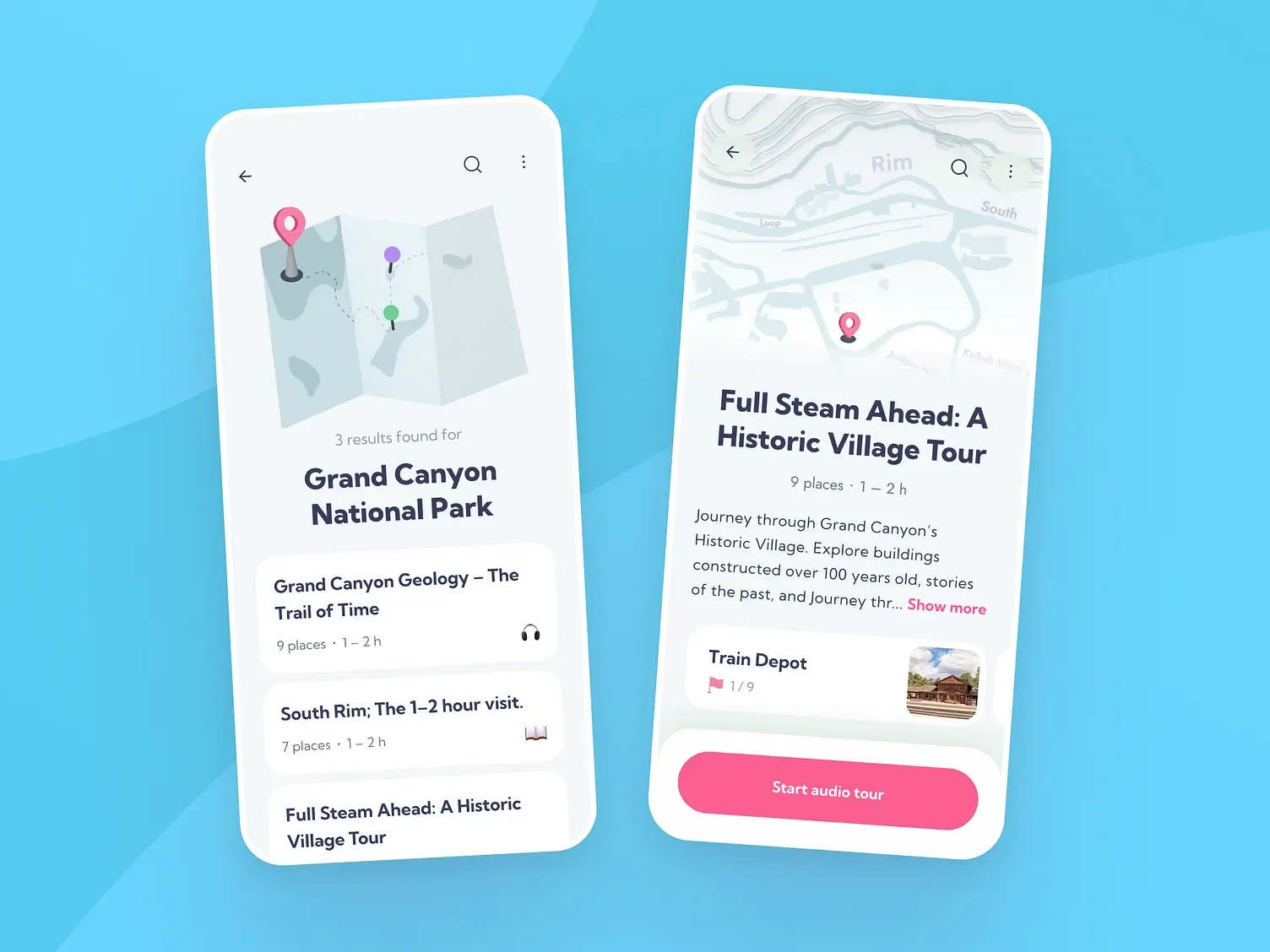
The best map-based products don't try to impress users with the number of locations they display. They help people answer simple questions quickly: What's nearby? Which option is right for me? What should I do next?
When those answers feel obvious, the map disappears into the background.
That's when location becomes part of the experience instead of the interface itself.