AI driven products
We use AI as part of our product design process to explore ideas, validate concepts and build product experiences faster — without compromising UX, quality or human thinking.
AI changes how products are designed
Product teams move fast. Requirements change, ideas need to be tested, and sometimes a concept needs to exist today — not next week.
We use AI to shorten the distance between an idea and something you can actually see, test and discuss.
Instead of spending hours designing the first version of an uncertain idea, we can generate, compare and refine multiple directions before investing heavily in the final solution.
Less time making. More time thinking.
A designer's time is limited.
AI helps us take care of the early, repetitive and exploratory parts of the process — so designers can spend more time on the things that actually require expertise:
-
Understanding users, problems and product goals.
-
Turning complexity into clear product structures.
-
Making products intuitive, predictable and easy to use.
-
Creating interfaces that feel intentional, consistent and distinctive.
-
Knowing what to build, what to remove and where to go next.
The new product design loop
Idea
〰️
AI exploration
〰️
Discussion
〰️
Design
〰️
Validation
〰️
Product-ready design
Idea 〰️ AI exploration 〰️ Discussion 〰️ Design 〰️ Validation 〰️ Product-ready design
AI works better with context
AI doesn't need to start from a blank canvas.
The more context we give it, the better the result.
Our process builds on:
-
Real screens and established interaction patterns.
-
Components, variables, typography, spacing and tokens.
-
Visual language and product personality.
-
Business rules, user flows and functional constraints.
What we use AI for
-
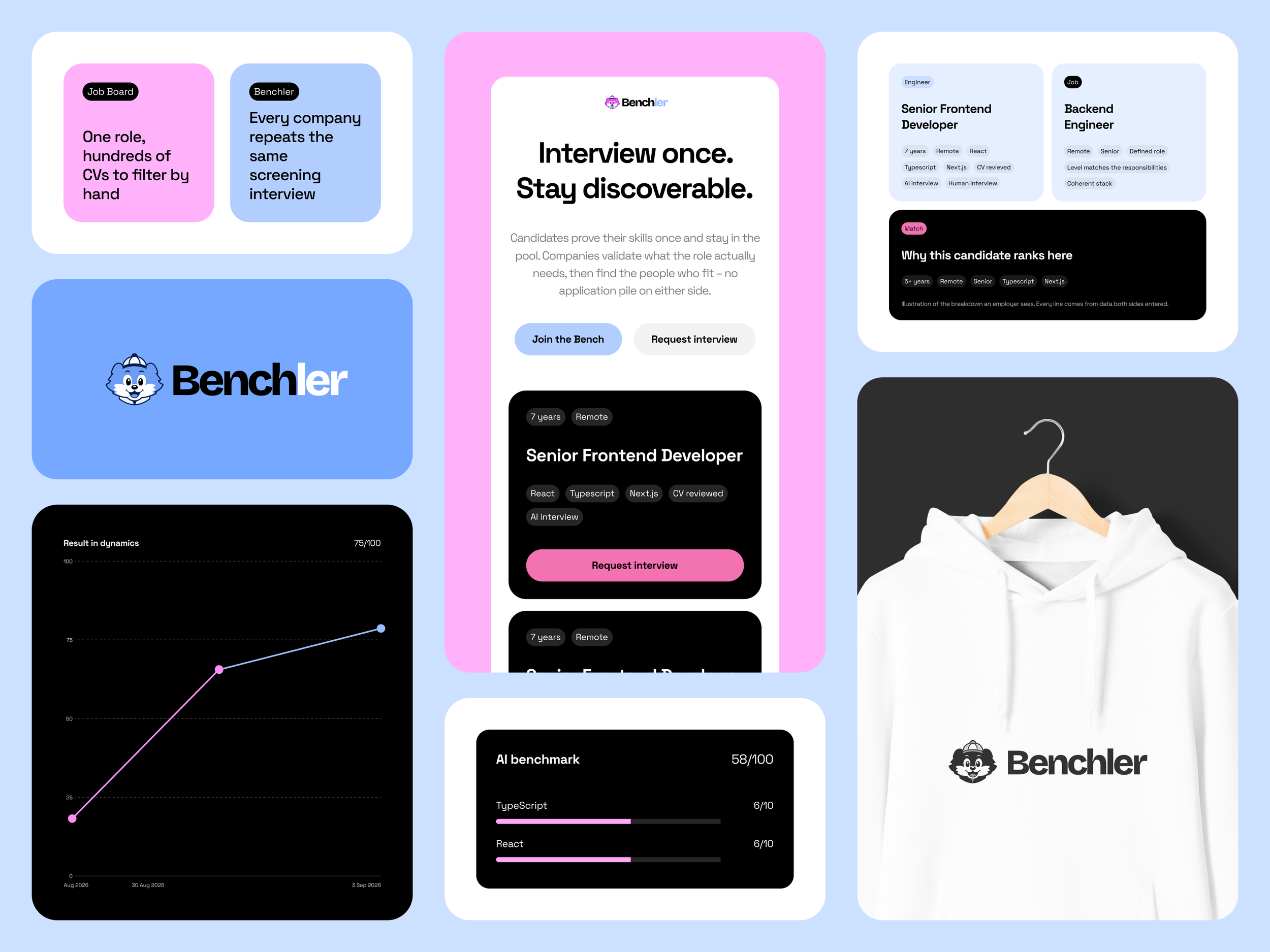
Turn rough ideas into something the team can see and discuss.
-
Explore new functionality while keeping the existing product language.
-
Generate alternative approaches without manually designing every direction.
-
Quickly visualize ideas before investing in a full UX process.
-
Explore flows, structures and possible solutions early.
-
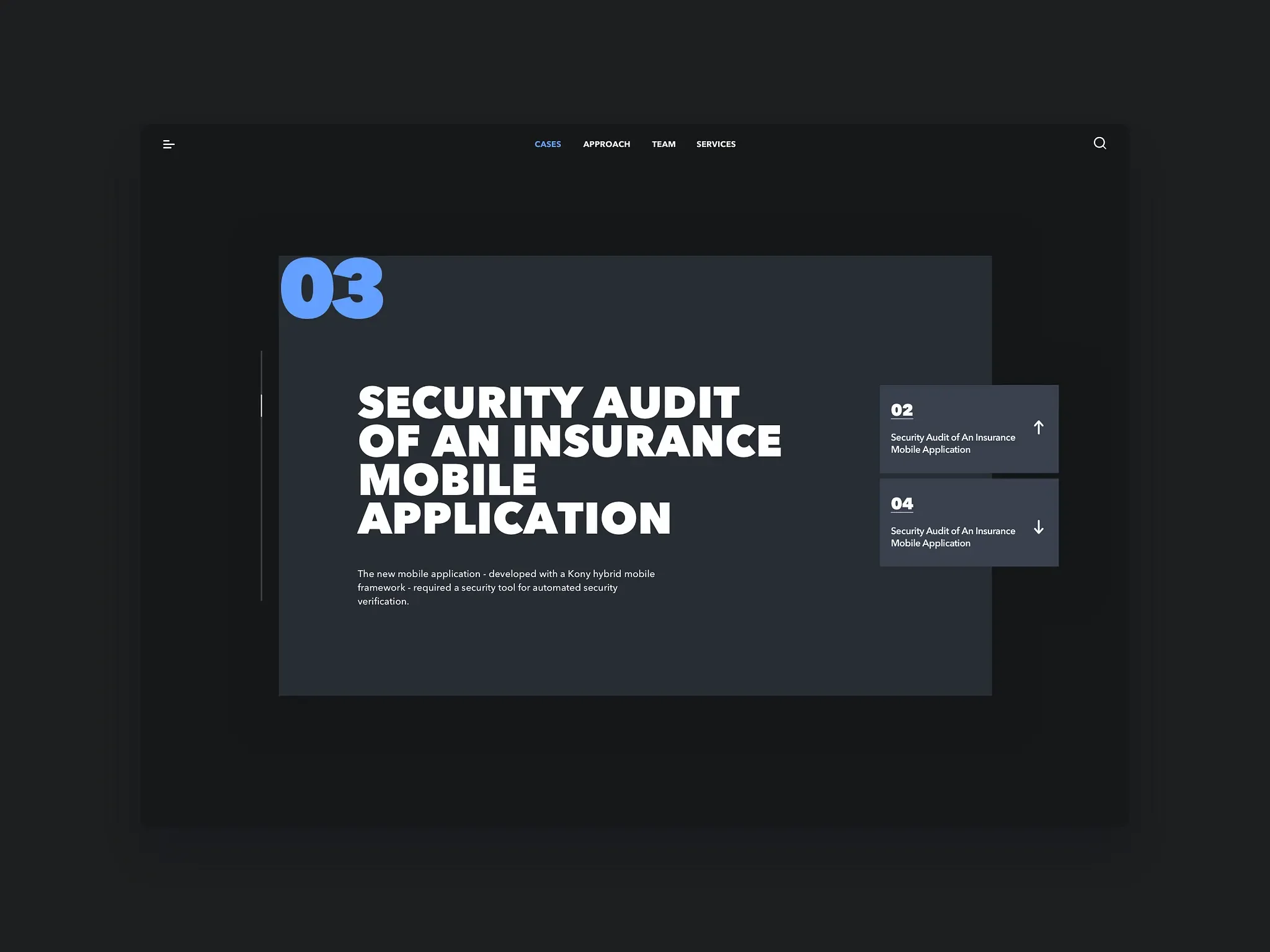
Create landing pages, campaigns and product-facing experiences faster.
These are exactly the areas the original presentation identifies as strong use cases for Make/Agents.
AI changes the process, not the role of the designer
AI helps teams explore ideas, generate concepts and validate directions faster. Designers stay responsible for the things that matter most: UX, product thinking, architecture, quality and decisions.
AI explores. Designers decide. Teams validate.
Instead of spending hours on uncertain first iterations, we use AI to get to something tangible faster — then bring our design expertise where it has the most impact.
From idea to product, faster
We use AI throughout the product design process — from early concepts and new interfaces to variations, validation and refinement.
